Can AI Be Trusted? Exploring the Dark Side of Smart Tech
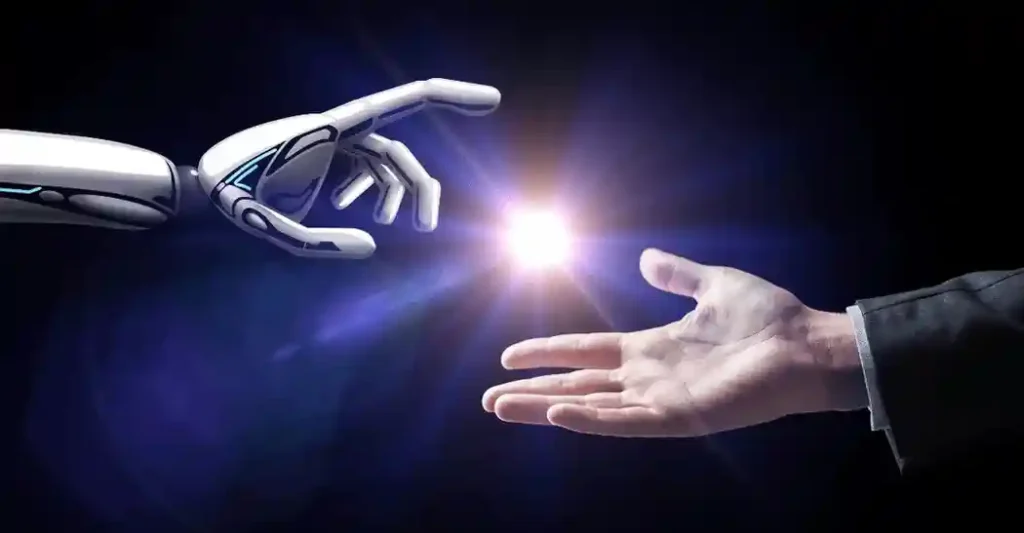
Artificial intelligence is no longer confined to science fiction scenarios as it has been embraced by our daily lives. This concept has applications in everyday affairs, such as personal assistants [Siri, Alexa], and intelligent models [ChatGPT], and some other industries that benefit from it being incorporated into their initiation, product design, business operations, and, well, communication. This raises a question: How trustworthy is AI?
Yes, with added layers of convenience and fun things about AI to exploiting the truth, there are serious, tell-it-like-it-is concerns also. The article explores this dark—unspecified in use—side of the smart-tech concept and examines just how AI can lead awry amid discussions of corrective initiatives.
The Promises of AI
AI is revolutionizing fields like:
-
Healthcare: Diagnosing diseases faster and more accurately
-
Finance: Detecting fraud and improving customer support
-
Education: Personalizing learning experiences
-
Business: Automating tasks, boosting productivity, and cutting costs
All these benefits sound exciting- but then again, even if the working of AI is also addressed, it’s really trusting in the machine.
The Dark Side of AI: 5 Key Concerns
1. Bias in Algorithms
AI learns from data—and if the data is biased, the AI will be too.
🔴 Example: In 2018, Amazon scrapped an AI hiring tool because it discriminated against women. Why? It had been trained on resumes mostly from men.
🔍 Main Issue: AI can unintentionally reinforce racism, sexism, and inequality.
2. Lack of Transparency (The Black Box Problem)
Many AI systems make decisions we don’t understand. This is known as the “black box” problem.
🤖 Example: For example, you are denied a loan by an AI system, but the company is unable to explain why.
💡Solution: To ensure transparency in the implementation of predictive models, embedded software employs a variety of explainable AI (XAI).
3. Misinformation and Deepfakes
AI have proven those days went behind by humans into producing unreal texts, images as well as videos.
⚠️ Eg: Deepfake videos have distributed political propaganda as well impersonated heads.
🔐 What makes it risky: Such tools will lead to possibilities for manipulation in the areas of scams, fraud, and fabricated news. Public trust is going down in those scenarios.
4. Job Displacement
While AI creates new opportunities, it can also take over routine or repetitive jobs.
💼 At Risk:
-
Data entry clerks
-
Call center workers
-
Factory operators
🎯 Long-Term Solution: Governments and companies should invest in re-skilling and up-skilling their workers to adjust to the job market of the AI era.
5. Self-Sustaining Weapons and Surveillance
Artificial intelligence is fast becoming an integral part of military drones as well as mass surveillance systems.
🔫 Ethical dilemma: If possible, can a machine decide between life and death of humans?
📢 Human Rights groups have been appealing to governments towards a ban on autonomous lethal weapons and the regulation of AI surveillance.
Can AI Ever Be 100% Safe?
AI can never be entirely risk-free, but responsible AI development can reduce dangers:
-
✅ Regulation: Governments like the EU are introducing AI laws (e.g., EU AI Act)
-
✅ Ethical AI Frameworks: Companies are adopting principles of fairness, transparency, and accountability
-
✅ OpenAI’s Approach: Focuses on aligning AI with human values and making safety a priority
Tips for Safe AI Usage (for Everyday Users)
-
Be cautious of deepfakes – Verify videos and sources
-
Check AI-generated content – Especially for facts or news
-
Understand privacy settings – In AI chatbots, apps, and virtual assistants
-
Use trusted tools – Choose AI platforms that prioritize ethical development
👉 Also Check
FAQs
Q1: Why is AI considered dangerous?
AI is dangerous when it’s biased, unregulated, or used maliciously (e.g., for deepfakes or autonomous weapons).
Q2: Can AI ever replace human judgment?
AI can assist decision-making but lacks emotional intelligence and ethical reasoning like humans.
Q3: What is explainable AI?
It’s a form of AI where the system can clearly explain why it made a decision—helping build user trust.
Q4: How can I tell if content is AI-generated?
Look for signs like repetitive wording, inconsistent facts, or verify it using tools like AI Content Detectors.
Conclusion
It can change the world-with power comes responsibility-but AI will only be changed if and when it is fairly applied. Everyone-users, developers, regulators-has a role to play in keeping smart tech worthy of their trust. It is not about stopping AI-it is about shaping it in the right way.